
Edit Deak and Club57’s instance required meticulous examining of letters, rolodexes, kodachromes, film prints and stills (8mm,16mm), posters, correspondence, ephemera, drawings, collage, poems and writings. With that came the careful preservation of important materials. I worked with mylar archival matter, film flatbed editors, original camera negatives, magnetic sound rolls, Betacam, U-Matic Tapes, contact sheets, screenplays, program notes, exhibition catalogs, lobby cards, artist notebooks, journals, sketchbooks, meeting notes and board minutes, condition reports, restoration logs and project documentation, metadata spreadsheets and cataloguing databases (TMS).
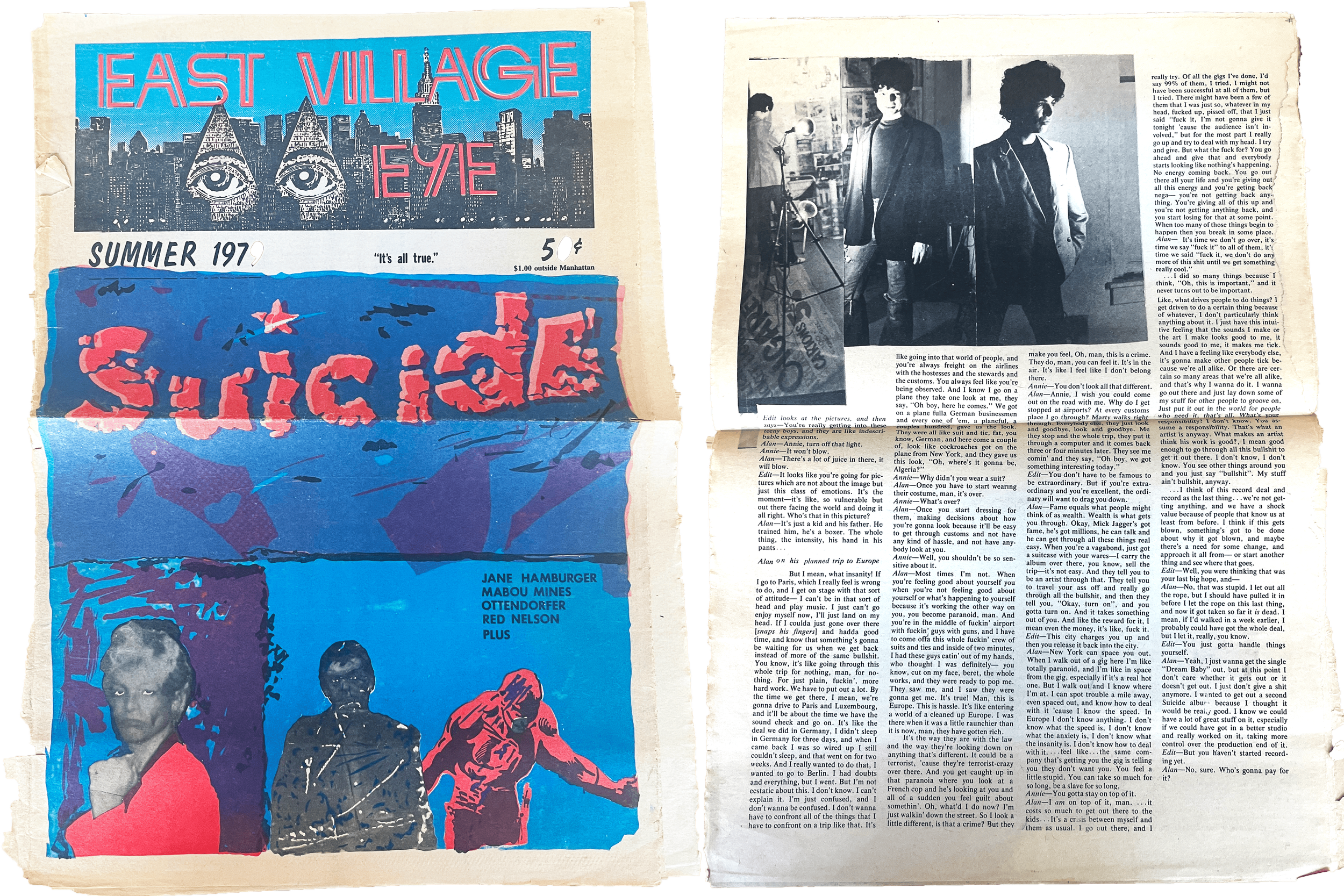
From 2023-2024 I worked at the Department of Film at the Museum of Modern Art. During my time there, I worked closely with my supervisor: ardent film devotee and collector Ron Magliozzi. I worked largely on helping complete the entirety of Edit Deak’s finding aid, programs such as Modern Mondays, archives of artists such as Suicide and Francis Thompson and had a two week funded research trip to Poland.
Edit DeAk, Club 57, Art Rite, Printed Matter, Suicide
Ephemera: East Village Eye: Suicide, Summer 1979, New York
Modern Mondays also included processing administrative records such as correspondence, distribution agreements, internal memos, grant proposals, and curatorial planning documents. I reviewed extensive correspondence between MoMA and other major institutions and film archives such as MGM, Cinecittà Studios, Warner Brothers, Théâtre National Populaire, Paramount etc. With DeAk, I delve into Art-Rite and Printed Matter, where she held various roles as a board member, editor, and organizer of public programs. With that, I studied her close collaborators and her relationship with them such as Walter Robinson, John Lurie, Alan Vega, Izhar Patkin etc. 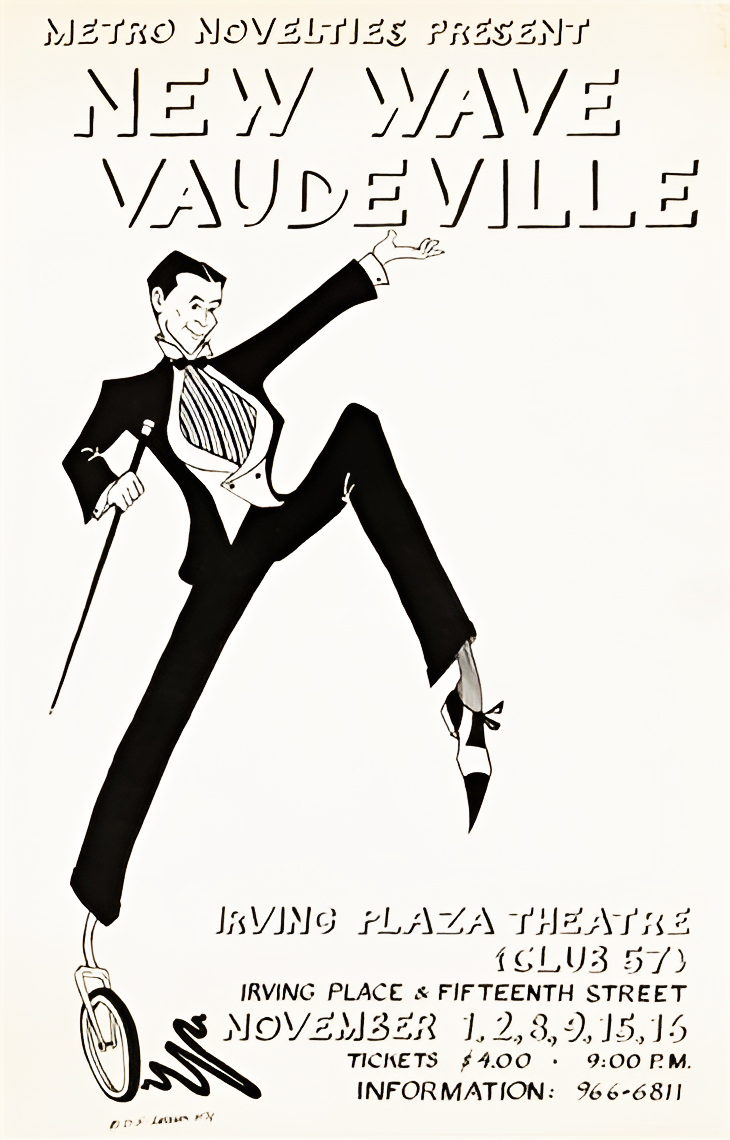
Ephemera: Club 57 flyer, Daniel E. Abraham, circa 1970s
Early and demo versions of Art-Rite and Printed Matter publications, which often existed only in fragile, preliminary states, were a preservation matter I dealt with. These materials can function as artifacts that document the development of each issue, including layout experiments, annotations, and hand-assembled components with mainly Xerox forms.I encountered numerous bootleg versions of Club 57 ephemera—flyers, photocopied programs, and unofficial reproductions associated with artists such as Klaus Nomi and Joey Arias. Each item required individual assessment to determine its condition, provenance, and relationship to the original events.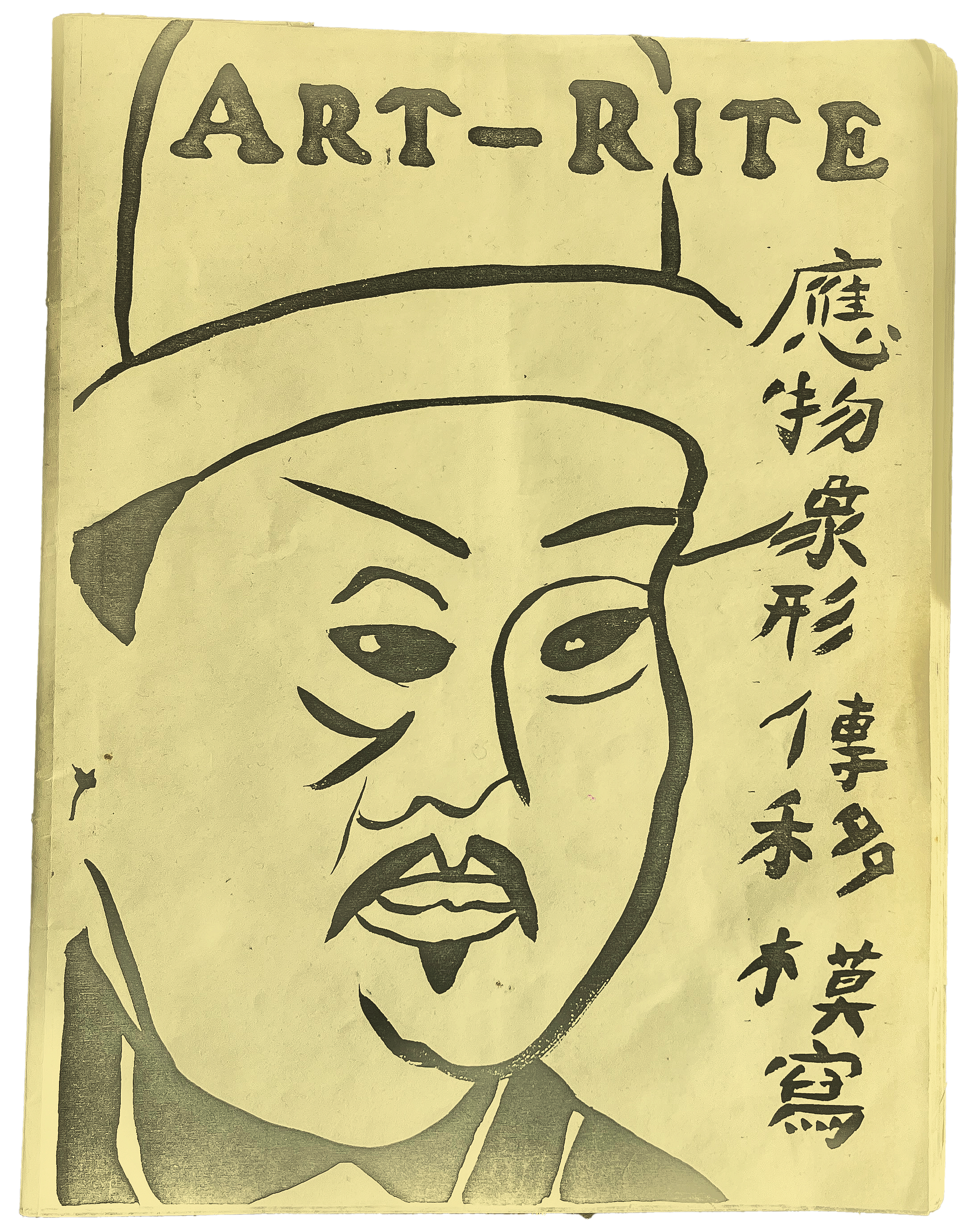
Ephemera: Early Demo Version of Art-Rite art, Edit DeAk-Walter Robinson, circa 1970s